In researching my upcoming post on watercolor paper manufacturing, I’ve run across several common paper-related axioms that are (or may be) myths. Time for some paper myth busting!
There is a “right side” and a “wrong side” to paper. False. Paper has a different texture on each side caused by one side being imprinted by the wire screen of the paper mold and the other side being imprinted by the felt it was transferred onto. This myth is from a time when lumps on the felt side of handmade sheets of paper were trimmed, making a problematic texture. This is not an issue in mould-made or machine made paper and lumps in handmade paper are now a badge of authenticity. Paper made today is also sized (treated with a glue-like substance, such as gelatin, to prevent over absorption) evenly on both sides, so paint on the side with the texture you like best – or paint on both sides! The only exception is when painting over a watermark. In this case, the indented side of the paper should be on the back of the sheet so it doesn’t detract from your work.
Paper can/should be soaked in water before use. False. Modern watercolor papers are not designed to be soaked in water for extended periods. This can dissolve the sizing (definition above) and lead to undersized paper that will suck paint down into it and cause dull colors and an inability to create hard edges. It can also lead to uneven sizing distribution making splotches in your finished work. A common cause of problems brought to paper manufacturer’s customer service teams is splotchy sizing caused by soap residues picked up by soaking paper in bathtubs and sinks. Any amount of soap, no matter how small, will quickly dissolve and damage sizing, which is fat-based and exactly what soap is designed to remove. (This is also an issue to keep in mind if you re-purpose spray bottles.) A quick dip or minutes-long soak in a tub which has never had soap near it is probably OK, or even desirable if you want your paper to have less sizing to create some kind of fuzzy-edged effect. Generally though, gently wetting your paper with a sponge or large brush is a better idea and has the added benefit of smoothing the distribution of sizing to make up for any manufacturing errors or damage the paper may have sustained in storage.
Watercolor paper can “go bad” due to age. Mostly false. Watercolor paper CAN go bad, but it’s due to exposure to heat, humidity, and air pollution – not age. Of course, older paper has had more time to be exposed to these elements, but if properly stored, there’s no reason 100% cotton, acid free paper that’s 50 years old or more shouldn’t be A-OK. Warm, moist environments can cause mildew to grow and damage the paper sizing leading to splotchy paint absorption. Test older papers by laying a wash of water over the sheet and looking for uneven absorption. You may be able to save the paper by sponging water over both sides to smooth the size distribution. Humidity also allows the paper to absorb more acid from air pollution which can cause yellowing and brittleness, even in acid-free, 100% cotton papers. Papers made from wood (which may be labeled as alpha cellulose or, confusingly, wood-free cellulose) contain acidic lignin and even “acid free” cellulose papers may still contain small amounts. These papers will degrade as they age – whether you’ve painted on them or not – and will be visibly yellowed if they are damaged. Always store your paper in a cool, dark, dry location, in the original plastic wrappings if possible.
Rag paper is the same as 100% cotton. False. Rag is the name for long-fiber cotton (like is used to make fabric) when used as a paper ingredient. Rag for papermaking can be virgin, right from the plant, or from shredded/digested fabric from recycled clothing or sewing factory scraps. 100% cotton paper can be made from rag or from cotton linters, which are short cotton fibers that remain attached to the seeds after processing for fiber. This bi-product fluff is removed by cooking the ground seeds with solvents as part of the process that turns them into oil. Linters are more absorbent and less strong than rag. Paper labeled as “rag” contains an undesignated amount of cotton rag, probably mixed with other ingredients which might include linters or cellulose from wood. If you’re looking for quality, look for paper labeled 100% cotton, and if sheet strength and durability is important, look for 100% cotton paper that contains a mixture of rag and linters.
Watercolor paper is not as good as it used to be. Possibly true. I’ve heard this from lots of artists who’ve been painting for many years. It’s pretty difficult to tell if this is nostalgia or fact, however. What IS true is that many of the top paper factories have been bought and sold many times over the past couple decades, and it certainly seems possible that changes in management could equal changes in quality. Arches, Saint Cuthbert’s Mill (makers of Saunders-Waterford), Canson, and Strathmore are all owned by the same multi-national company, the FILA Group, based in Italy. (They also own Princeton brushes, Prang, Lukas, Dixon-Ticonderoga and many other brands.) In addition, fine papermaking is a skilled profession, so without good training methods in place, knowledge can easily be lost – especially as young people in the European countries where many papers are made are encouraged to go to university instead of entering into a trade. On the other hand, Arches, Saunders Waterford, Fabriano, and other European brands are making paper in the same towns where they’ve worked since the middle ages, using buildings and sometimes equipment that is over a hundred years old. Many have cultural/historical designations recognizing the value of this continuing tradition and suggesting that preserving older manufacturing techniques will continue to be a priority.
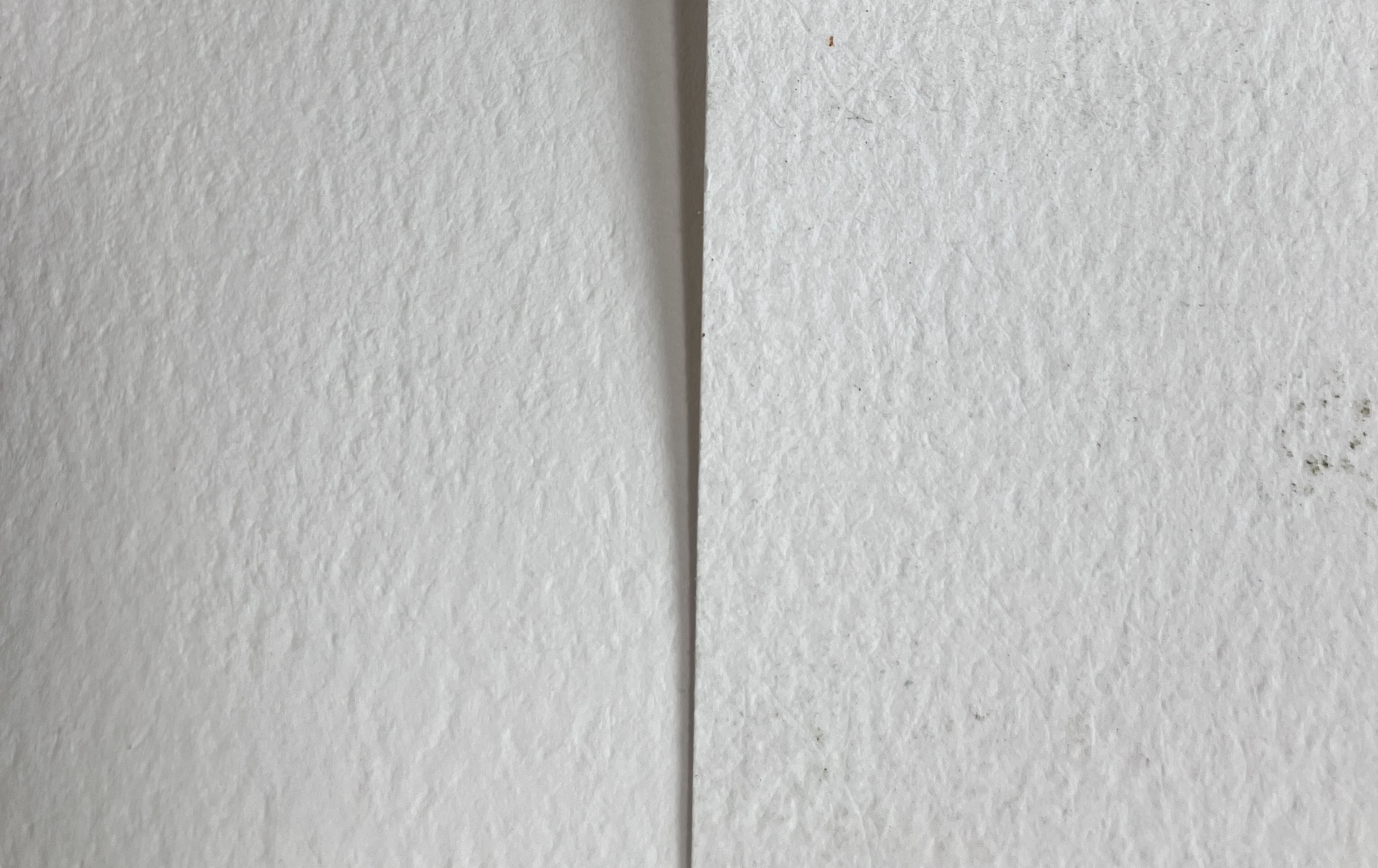
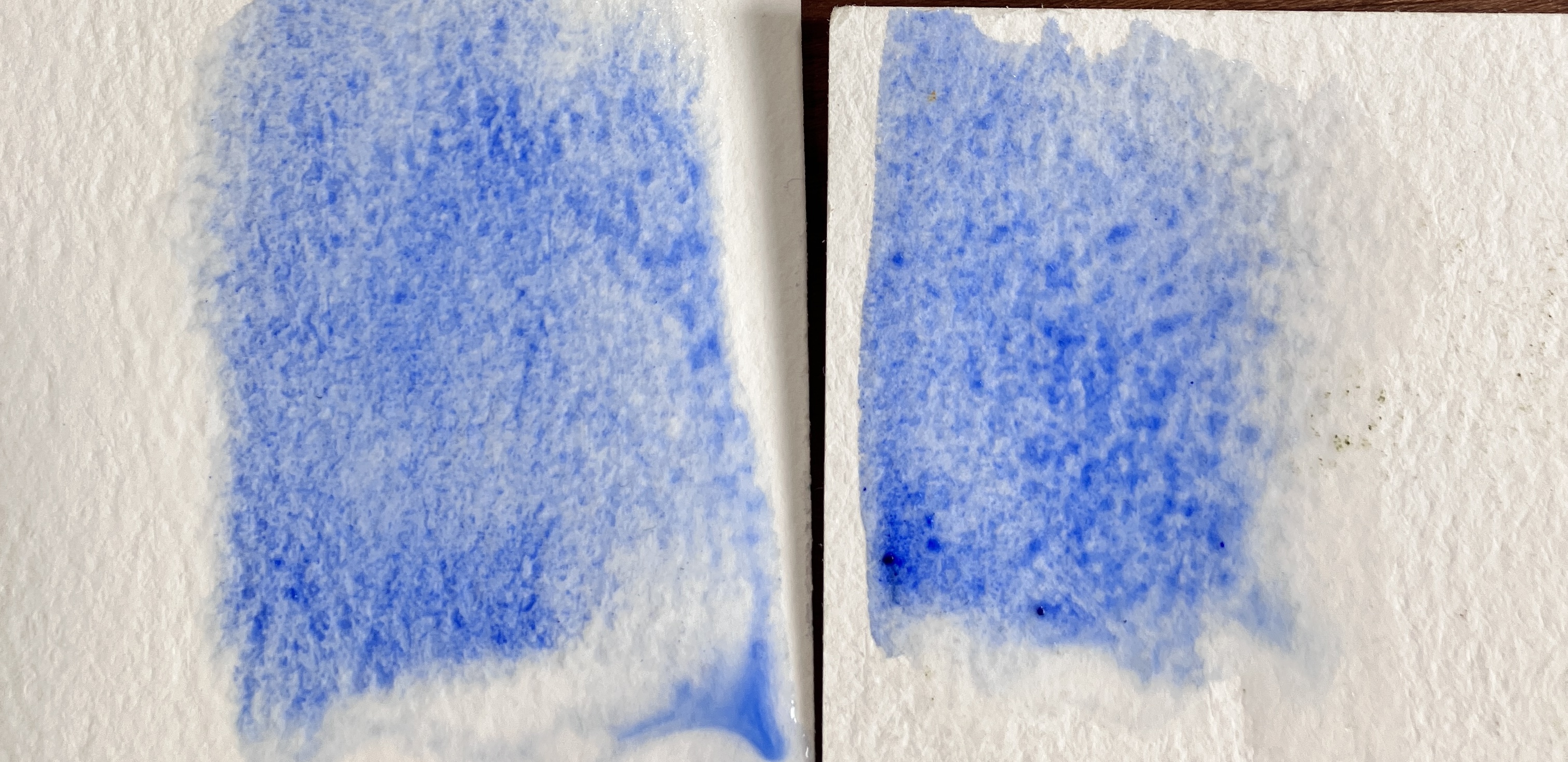
Master’s Choice watercolor paper is being discontinued. False. I’m a huge fan of this well-priced, 100% cotton, mould-made, gelatin-sized paper designed by some watercolor artist greats and manufactured by the Baohong company in China. The internet is full of rumors that this paper might run out, however, I emailed Dick Blick and they reassured me that these rumors are false. Where there IS some confusion is on the different brands of paper Baohong makes. Besides the Master’s Choice paper (which is also sold as “Baohong Artist’s”) they make a very high quality, 100% cotton “student” machine-made paper, Baohong Academy, which I prefer to other cotton brands like New York Central and Bee Paper that are in a similar price range but have a distracting machined texture. The Academy paper used to be readily available on Amazon or Temu but is now hard to find. Several folks on social media have stated that this is because the Baohong Academy paper is now being sold by Meeden Art, and has new, “Meeden 100% cotton” branding and packaging. I reached out to Meeden to verify this claim, but haven’t heard back. Having used both papers and compared them side by side, I think it’s probable that they are the same as they seem identical in appearance and paint handling (see photo below). Also, Meeden is selling paper with Baohong packaging in their Amazon store.
Most of this information came from the well-researched Handprint website created by Bruce MacEvoy. Take a look if you want a deep-dive into the world of paper – or check out my paper perimeters post! You can also watch this lovely video of paper being made at Saint Cuthbert’s Mill or this video from the Baohong factory while you wait!
I write about a different watercolor topic every Sunday! Subscribe to have the articles delivered right to your inbox. More subscribers will help me get more exciting interviews and products to test, so thanks for your help!

 Carrie Glessner